Appointing a guardian for your children: what your will must do
Naming a guardian in your will is one of the most consequential decisions a parent can make, yet most families put it off far longer than they should.
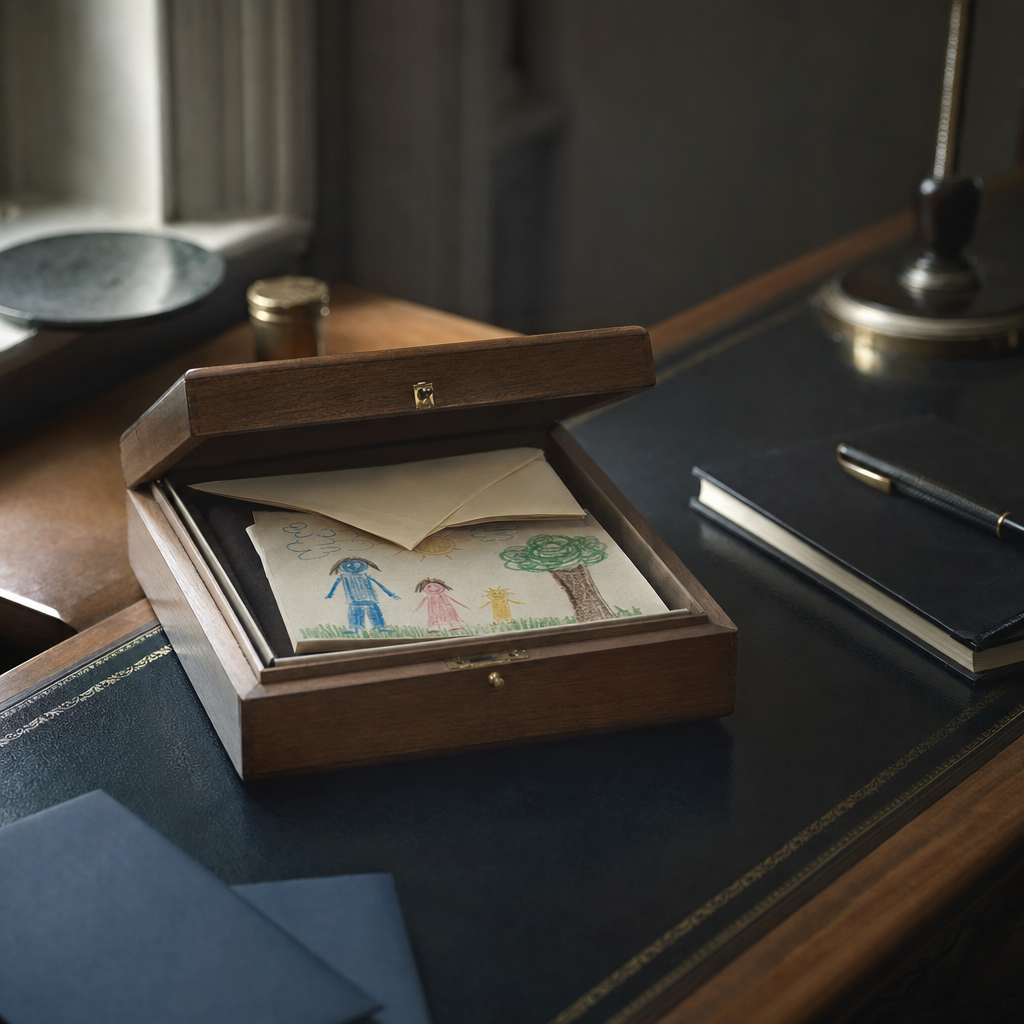
A solicitor once described the conversation like this: parents spend weeks choosing a buggy and forty minutes choosing a guardian. The buggy gets replaced in three years. The guardian appointment, if it is ever challenged, could shape a child's entire upbringing.
If you have children under eighteen and you have not named a guardian in a valid will, the question of who raises them will be left to the courts. That is not a failure of love. It is simply the gap that forms when paperwork is treated as something to sort out later.
How the law works in England and Wales
Under the Children Act 1989, a parent with parental responsibility can appoint a guardian by naming that person in a will, or in a written and signed document witnessed by two people. The appointment only takes effect once both parents with parental responsibility have died, unless one parent had a residence order or child arrangements order in their favour before death. If there is no appointment and no surviving parent with parental responsibility, the family courts step in and decide who the child should live with, giving weight to the child's welfare above all else.
The court will consider the child's existing relationships, stability, schooling, and the wishes of the child depending on age and maturity. It will not, however, know what you wanted. It has no access to your reasoning, your values, or the quiet agreements you had with your sister or your closest friend over the years. Only a written appointment and a letter of wishes can put that on record.
The practical mechanics are straightforward. You name the guardian in your will, they must be eighteen or older and willing to act, and you should speak with them before signing anything. An appointment can be disclaimed if the named person changes their mind, so the conversation matters as much as the document.
It is worth naming a substitute guardian as well, in case your first choice dies before you or is unable to act when the time comes. Wills are not always updated as often as they should be, and circumstances change.
What a guardian actually needs to know and have
Naming someone is the beginning, not the end. A guardian who steps in after a bereavement is managing grief, a changed household, and a set of legal and financial responsibilities that most people have never encountered. The less they have to search for, the better the first weeks will be.
They will need to locate the will quickly. They will need to understand how the estate is structured and who the executors are. If you have set up a trust for the children, they need to know who the trustees are and how distributions work. If there is life insurance, they need to know the policy reference, the insurer, and whether it is written in trust (which keeps it outside the estate and allows faster payment). If there is property, they need to know whether it is mortgaged and what the arrangement is for continuing payments while probate is under way.
Beyond the financial layer, they need the human detail. Which school does your child attend and who is the form teacher? Are there medical conditions or allergies the GP holds on record? Who are the godparents, and what role do you want them to play? What are your views on religion, on education choices, on how much contact the child should have with extended family on both sides?
None of that belongs in a will. Wills are legal instruments; they are read by solicitors and executors and, eventually, by the Probate Registry. The human detail belongs in a letter of wishes, written in your own voice, addressed to your guardian directly. It carries no legal force, but it carries something more durable: your judgment, your preferences, your picture of who your child is and who you hope they become.
A letter of wishes should be reviewed every two or three years, or whenever something significant changes. It sits alongside the will rather than inside it, which means it can be updated without the formality of a new will or a codicil. Keep a copy with your will, and tell your guardian where to find both.
Some families also write a shorter personal letter to the children themselves, to be opened at a certain age. That is a separate document, but it belongs in the same place.
The point of all of this is not to anticipate the worst. It is to ensure that if the worst happens, the people who love your children are not left working from memory and guesswork at the hardest moment of their lives. The paperwork is an act of care. So is keeping it somewhere it can actually be found.
Glenvault is built to hold exactly these documents: the will, the letter of wishes, the insurance schedules, the trust details, all stored securely and accessible to the people you choose, when it matters. You can begin at glenvault.com/signup.
The private vault for your family
Documents, wealth and succession protocols in one quiet, encrypted home. Start free — no card required.
Sign up to Glenvault