How to write a letter of wishes and why it differs from your will
A letter of wishes sits beside your will and speaks where legal language cannot, guiding trustees and family through decisions no document compels them to make.
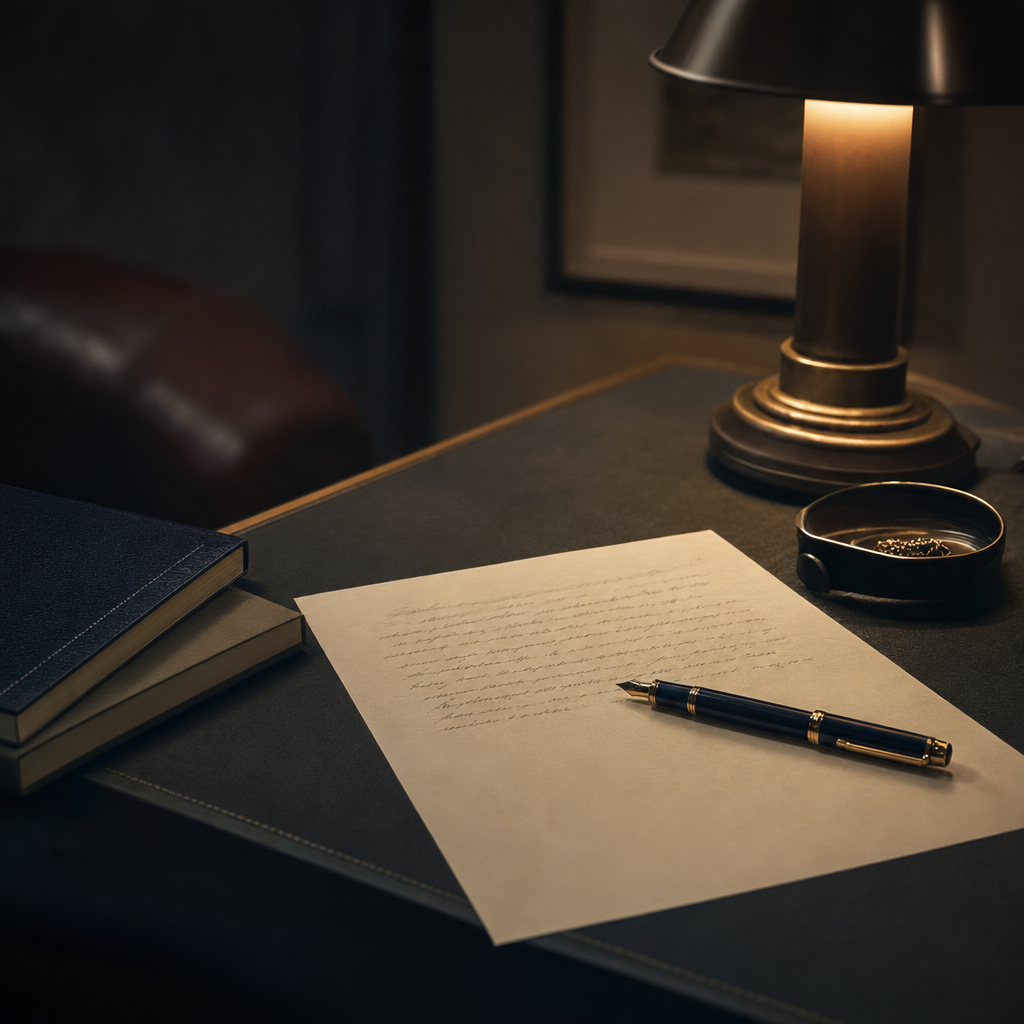
A solicitor once described it this way: a will tells your executors what to do, and a letter of wishes tells them why. The distinction matters more than most people realise, and yet the letter is the document that families actually read in the weeks after a death, passing it between themselves at the kitchen table, trying to understand what the person they loved actually wanted.
If you have a will and no letter of wishes, you have the legal scaffolding in place but none of the texture. This post is about filling that gap.
What a letter of wishes can do that a will cannot
A will operates within strict legal constraints. It must be witnessed, executed correctly, and interpreted according to statute. It is a public document once probate is granted. It speaks in the language of property and appointment, not of feeling or preference.
A letter of wishes has none of those constraints, which is precisely its value. Because it is not legally binding, it can say almost anything. That freedom allows you to address several categories that a will handles poorly or not at all.
Guardianship preferences. You can name guardians for minor children in your will, but you cannot explain your reasoning there. A letter of wishes is where you say which parent, sibling, or friend you believe would raise your children closest to your own values, and why. You can describe your hopes for their education, their upbringing, the small rituals that matter to your family. A court considering guardianship, or a family negotiating it, will find that guidance worth having.
Personal possessions. Wills that try to allocate specific chattels in detail become unwieldy and difficult to update. A letter of wishes handles this more naturally. You can record who should receive the dining table, the watch, the first-edition books, the painting that always hung in the hall. Because the letter is not legally binding, you can revise it every few years without involving a solicitor. The will simply leaves personal chattels to trustees or executors to distribute at their discretion, and the letter tells them how.
Notes to trustees. If you have a discretionary trust, your trustees will make decisions about distributions across potentially decades. A letter of wishes gives you the opportunity to explain your intentions: which beneficiaries you expect to need most support, how you view the balance between income and capital, whether you would prefer the trust to be wound up quickly or held for the long term. Trustees are not obliged to follow this guidance, but most experienced trustees treat a thoughtful letter as the clearest possible expression of the settlor's mind.
Funeral and burial preferences. These are almost never appropriate in a will, since the will may not be read until after the funeral has taken place. A letter of wishes, stored accessibly alongside your will, is the right place to record whether you wish to be buried or cremated, where, and in what manner. Even a few sentences spare your family from having to guess.
Personal messages. Some people use the letter to leave something warmer: an explanation of why decisions were made as they were, an acknowledgement of a complicated relationship, words they did not quite manage to say while alive. This is optional, and there is no single correct tone. But the letter is the only formal document in your estate where the voice can be unmistakably your own.
Storing the letter so it is actually found and used
A letter of wishes has no legal force, but it still needs to be discoverable. A document found three years after probate is closed has lost most of its purpose.
Keep the letter with your will, or at least ensure that whoever holds your will knows the letter exists and where to find it. If your will is held by a solicitor, ask whether they will also retain the letter of wishes or at least note its location on your file. Update the letter when your circumstances change: after a birth, a death, a significant asset purchase, or simply when your thinking shifts.
The letter should be signed and dated, though it needs no witnesses. Dating it matters because, if you have written more than one version over the years, your executors and trustees will want to know which reflects your most recent intentions. Where the letter contradicts an earlier version, the most recent signed and dated document will generally carry the most weight in practice.
Print a copy and keep a secure digital copy alongside your will and other core estate documents. The logic is straightforward: the people who need this document will be under considerable strain when they read it. The fewer obstacles between them and its contents, the better you will have served them.
Glenvault is designed to hold exactly this kind of document alongside your will, your trust deeds, and the other papers your family will need. You can begin organising your estate at glenvault.com/signup.
The private vault for your family
Documents, wealth and succession protocols in one quiet, encrypted home. Start free — no card required.
Sign up to Glenvault